
Animal Help Message Line: 608-237-7060
Does this animal need help?
Spring and summer in Wisconsin means baby wildlife! Some infant mammals will need help, whether they take a tumble from a tree or are discovered by a lawnmower or curious dog. But others will be just fine and should be left alone.
For many species, it’s normal for mothers and babies to be separated for varying periods of time, and usually mom is a short distance away and will return periodically to care for her babies.
Healthy bunnies and tree squirrels found out of their nests can often be re-nested, and healthy raccoon kits should be reunited with mom, when possible. This is their best chance at survival.
But others — opossums and ground-dwelling rodents like chipmunks — are not candidates for renesting or reuniting and will need to be admitted into care.
(Find more information about what to do for specific baby mammal species later on this page.)
YES, I NEED HELP! ↴
Some infant mammals need immediate care. If you find a baby animal who is...
alone
injured or bleeding
infested with parasites like fleas, flies/fly eggs (which look like tiny grains of rice), maggots, mites or ticks
cold, limp or unresponsive
crying out
approaching people
the victim of a dog, cat, or other predator attack (even if no skin is broken)
with or near a deceased adult
...do the following right away:
Put the animal in a box in a safe, warm, dark, quiet location. Do NOT offer water, milk, formula, food or anything else to eat or drink. It feels counterintuitive, but this can be harmful and even fatal.
Take a photo and/or video of the animal to share with us.
Follow the instructions below for leaving a message on our Animal Help Message Line. ↴
If you have found a bunny, opossum, raccoon, squirrel, or other rodent in need of help based on the information above:
Please leave a message on our phone line: 608-237-7060
Your recording will be forwarded to our volunteers on duty immediately, who will call you back as soon as they can.
Please remember that most of our volunteers also have day jobs, and sometimes many calls come in at once.
We try to return calls within a couple of hours during the daytime, but that's not always possible. If it has been over 24 hours, please leave us a second message.
In addition to your phone call, please send photos of the animal to: info@WIWildCare.org.
Please be ready to state your location on your recording.
The recording will give you more information about what to do while waiting for a call-back. You can help by reviewing the species-specific information below as well.
While our focus is young wildlife in need, we do also work with adult mammals, depending on capacity.
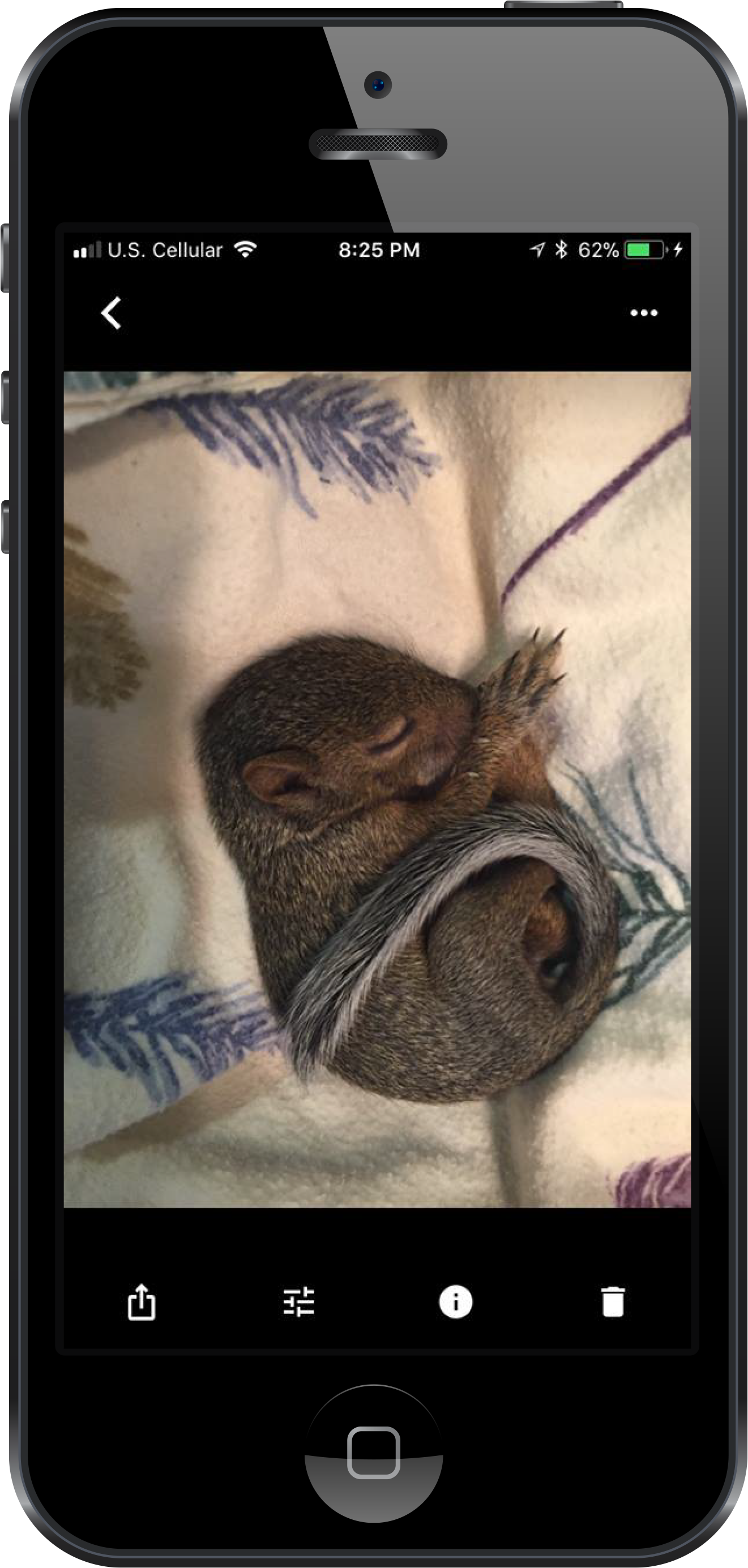
I’ve Found an Infant or Juvenile Mammal in Need
-
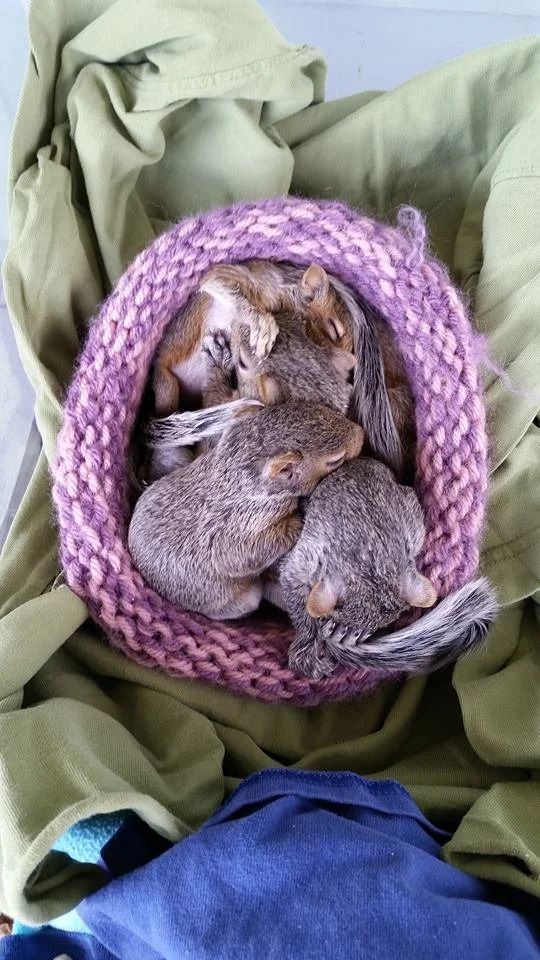
Tree Squirrels
Most of the baby squirrels we receive phone calls about have fallen out of their nesting tree. Mother squirrels will often return their fallen, healthy kits back to the nest, but she might need a little help finding them before a neighborhood dog or free-roaming cat does.
(Tree squirrels we work with include gray, fox, pine, and flying squirrels.)
-
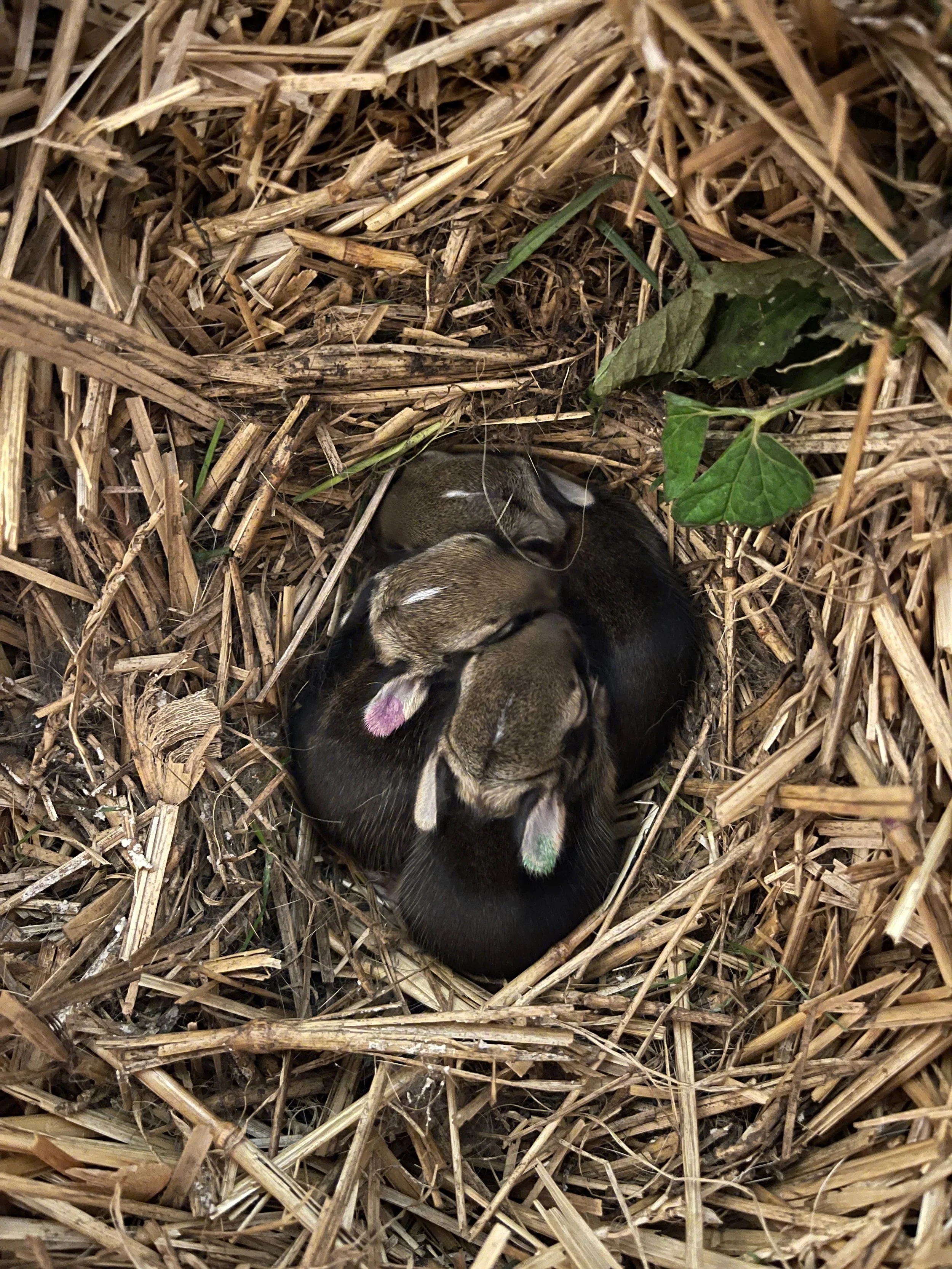
Bunnies
An eastern cottontail mother makes a nest by digging a hole in the ground and lining it with dried grasses and fur. Once babies are born, she covers the nest with dried grasses and plant material, returning only twice per day to nurse. The best chance of survival for an infant bunny found outside the nest is to tuck them back into the nest, unless you are certain mom is dead.
-
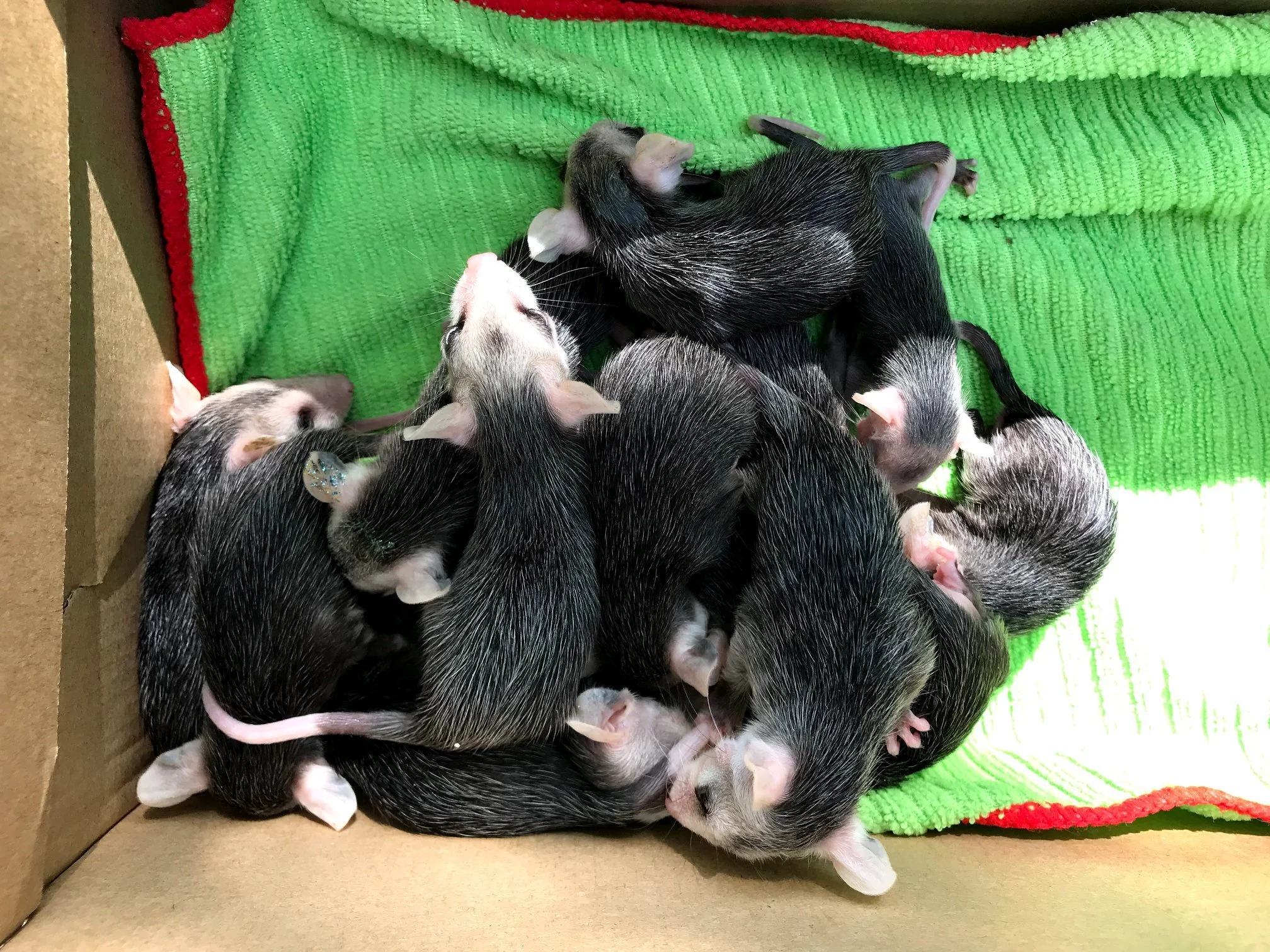
Opossums
Unlike many other wildlife babies, orphaned opossums are not candidates for reunification. Most often, they are found because mom was killed (usually by a car or dog) or gets chased off. Babies can detach from her pouch or back and are left behind. Not knowing they are gone, mom continues on.
-
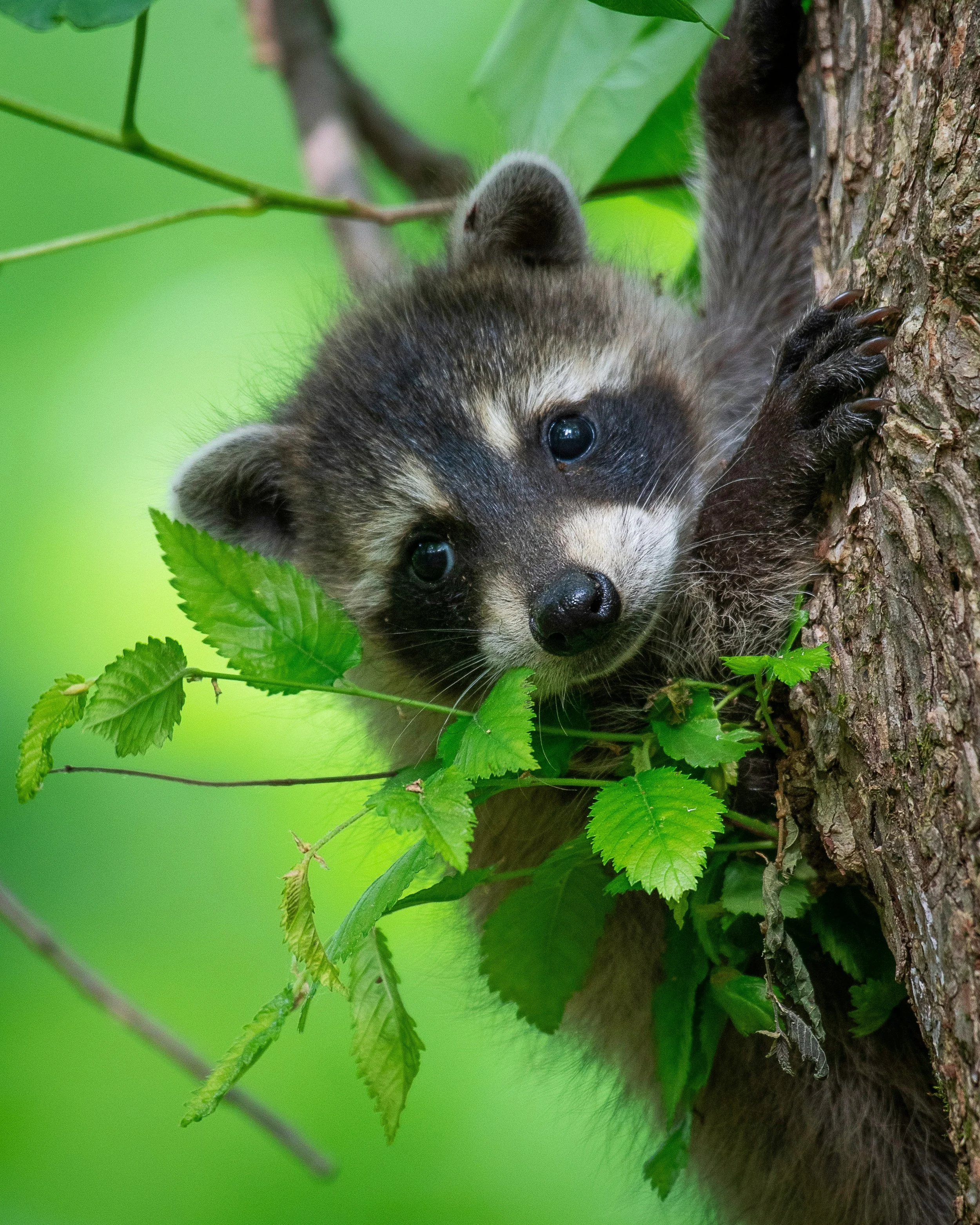
Raccoons
Raccoon kits are typically born in spring and early summer. Often because of human interference, they become separated from mom. When this happens, healthy kits should be reunited with mom. If you know mom is dead or the kits appear injured or sick, they will need help from a wildlife rehabilitator.
-
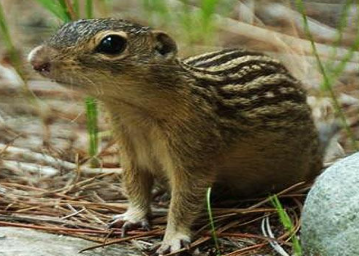
Chipmunks & Thirteen-lined Ground Squirrels
Since chipmunks and thirteen-lined squirrels are ground dwellers, they come into our care through injury, illness, abandonment, or flooding, rather than falling from a nest, as is common with tree squirrels. Infants are not candidates for reunification with mom and will need to be admitted.
-
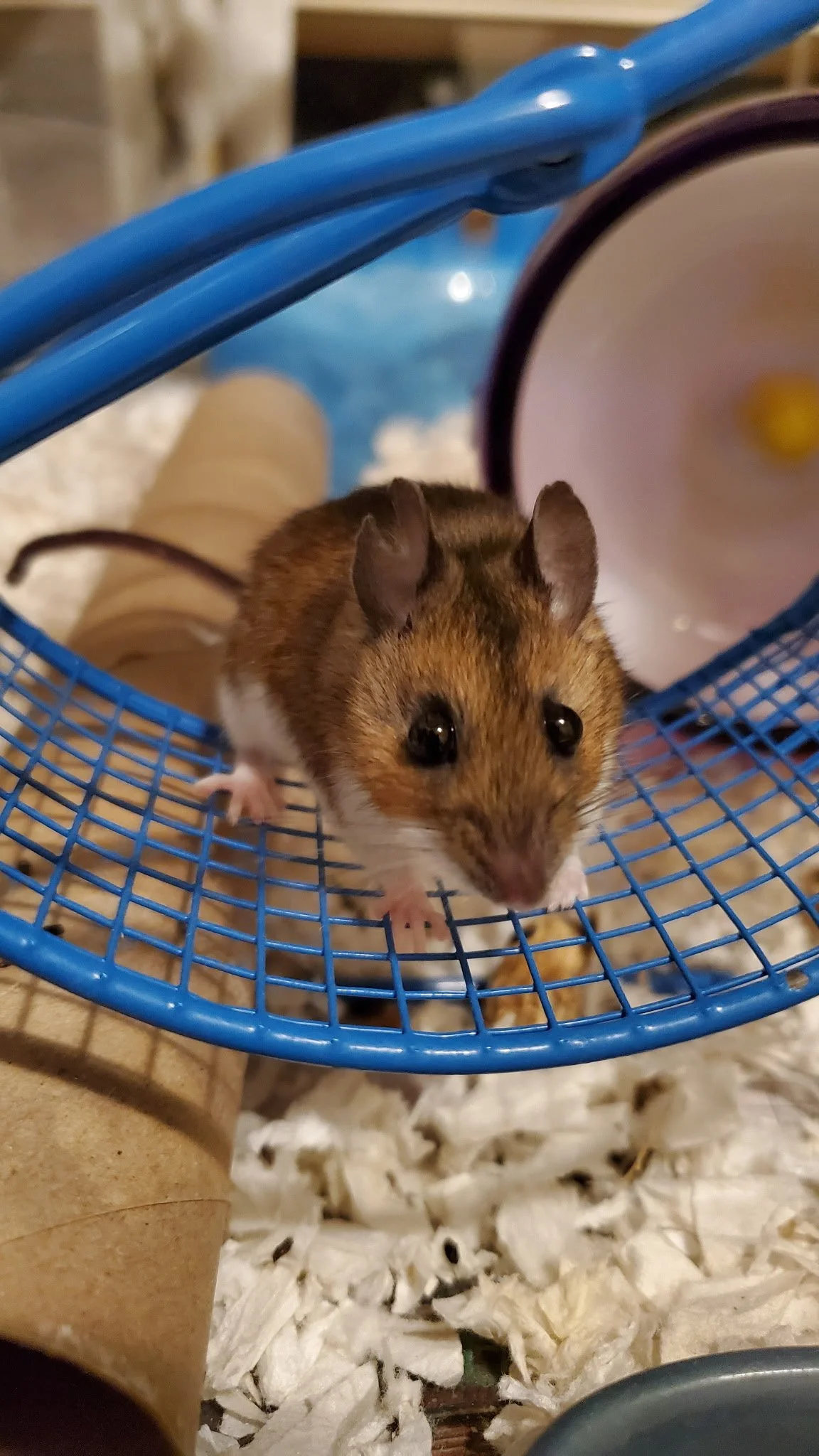
Mice & Voles
Most of the baby deer mice and meadow voles brought to us by the public have been displaced by the movement of vehicles in which they were nesting (trailers, boats, cars, etc.) or other human activity (like lawn mowing). Their best chance of survival is back with mom, unless they are severely injured or very dehydrated.
-
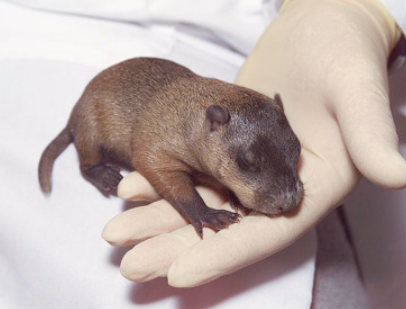
Woodchucks
Woodchucks are ground-dwelling rodents technically in the squirrel family. Pups who leave the nursery who are cold, lethargic, or easily picked up have likely been without mom for a while. Reuniting chances are usually slim. If you have found an infant woodchuck, call us.
-
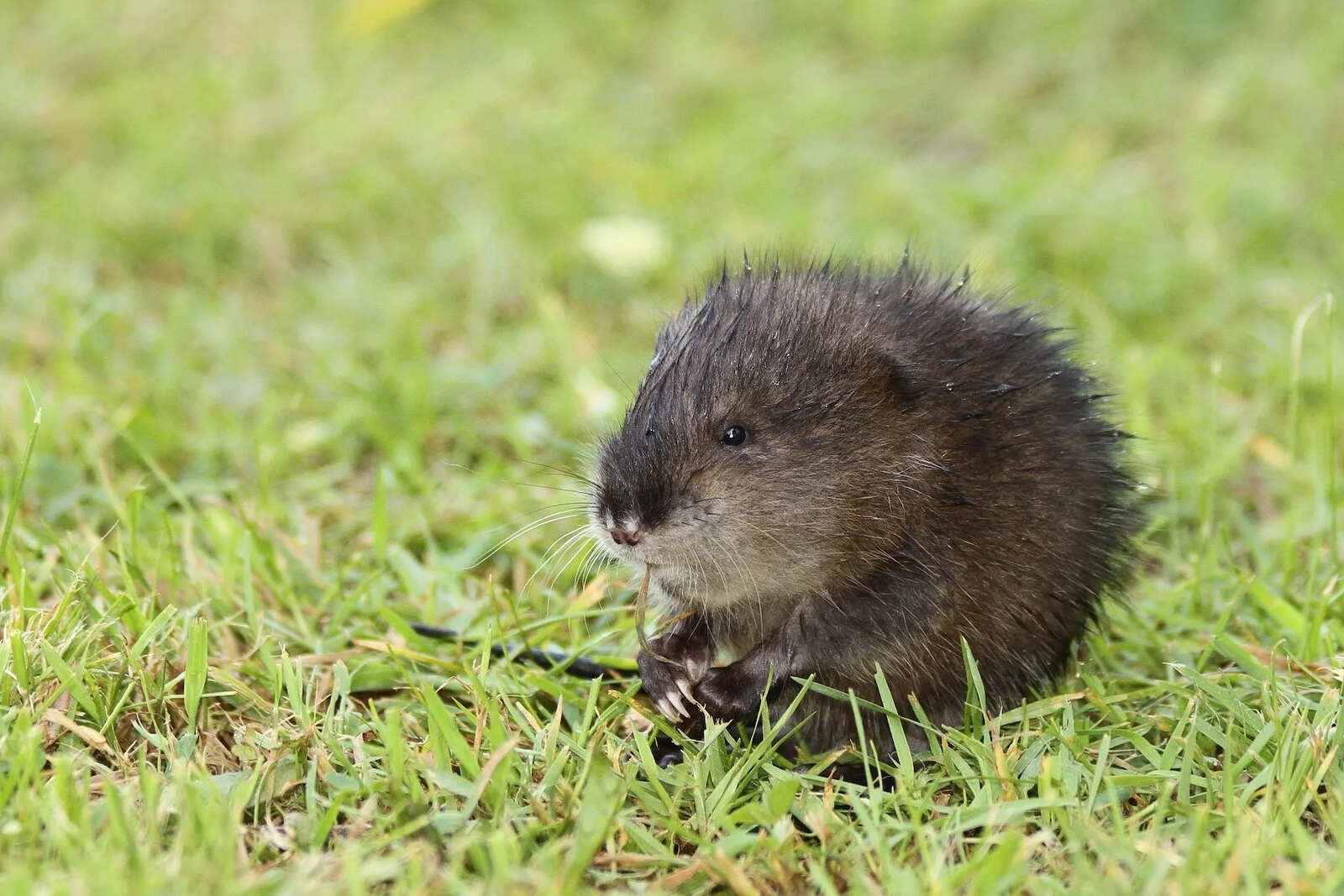
Muskrats
Muskrats are semi-aquatic rodents with partially webbed feet and hairless, somewhat flattened tails. Baby muskrats are weaned at approximately 4 weeks old and leave the lodge to be on their own shortly after.
-
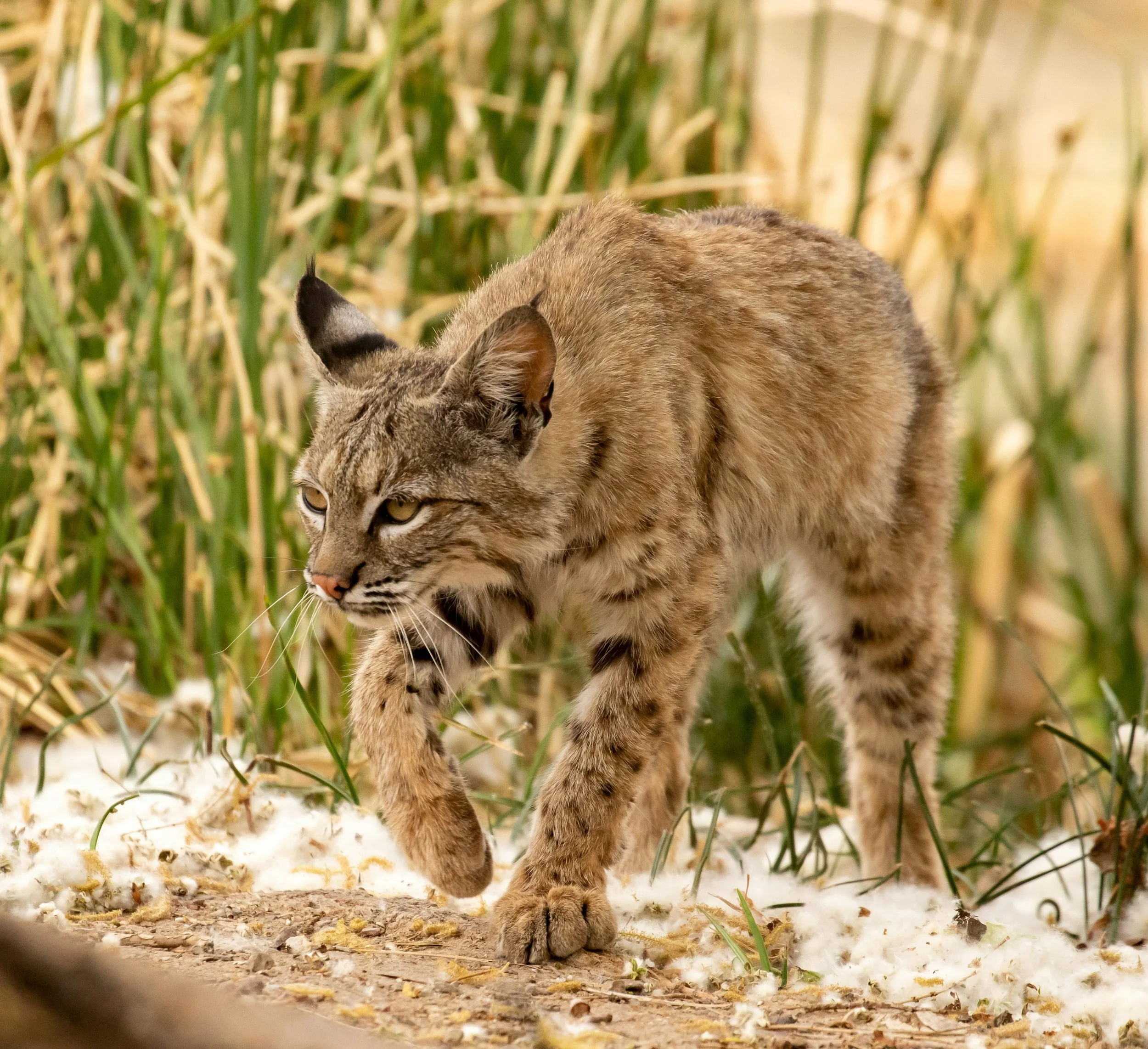
Other Mammals
We do not work with bats, bobcats, foxes, coyotes, deer, or bears.