
Help Tree Squirrels
I’ve found a baby squirrel. What should I do?
-
![]()
Eastern Gray Squirrels
(The most common type of tree squirrel we see in south-central Wisconsin)
Gray squirrels spend most of their lives in trees in urban, suburban and rural settings. Storms with high winds, tree-cutting, utility work and predator attempts are common reasons baby squirrels are found alone on the ground. Find renesting tips below.
-
![adult fox squirrel]()
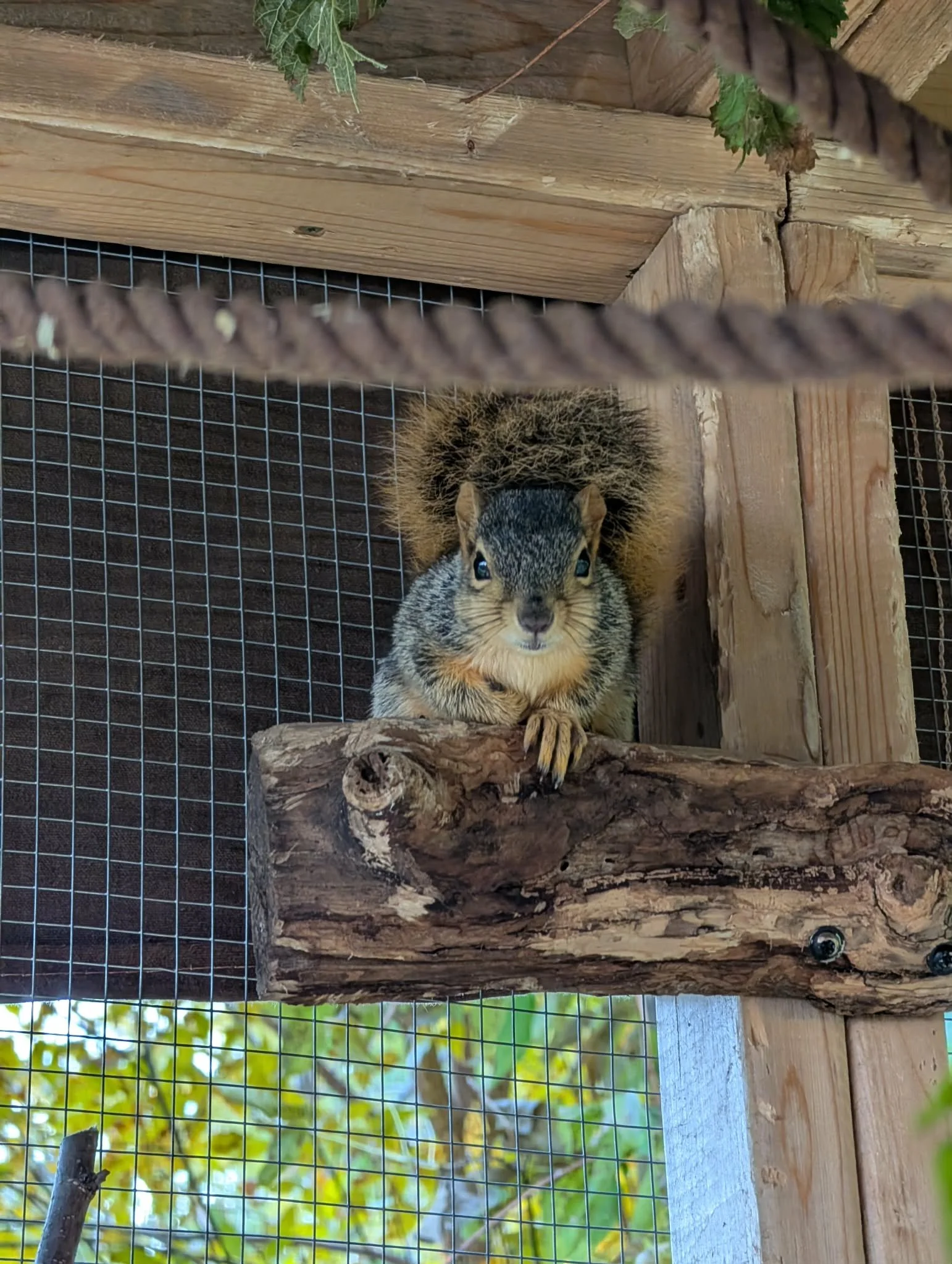
Eastern Fox Squirrels
(Similar to gray squirrels but larger, with a rusty brown color, and less adapted to urban areas)
Fox squirrels live in rural areas in southern Wisconsin in areas of mixed woods and farms. Find renesting tips below. -
![]()
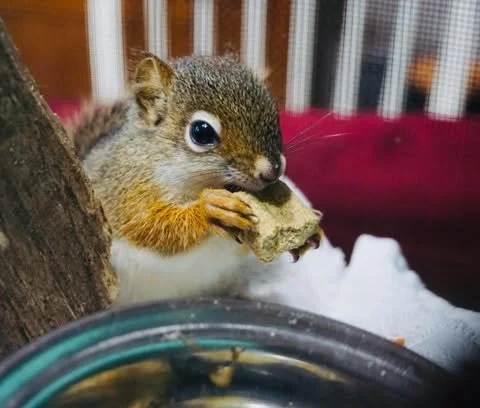
Pine (Red) Squirrels
Pine squirrels are smaller than gray and fox squirrels and live in conifer and mixed hardwood forests. Their southern range in Wisconsin extends to Sauk County.
-
![]()
Southern Flying Squirrels
Flying squirrels are a highly colonial, nocturnal species who nest in tree cavaties or dreys. Mothers of babies who are 5-6 weeks old have a strong maternal instinct and will try hard to retrieve fallen infants — theirs or others’ — in their territory. However, after this time they will be aggressive to babies from other litters.
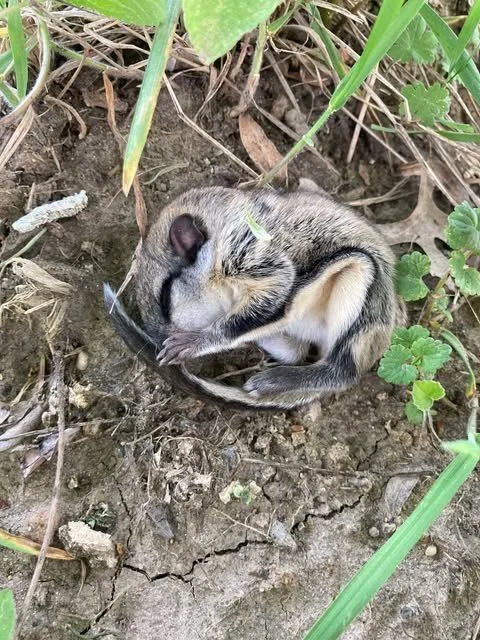
When baby squirrels fall from their nests
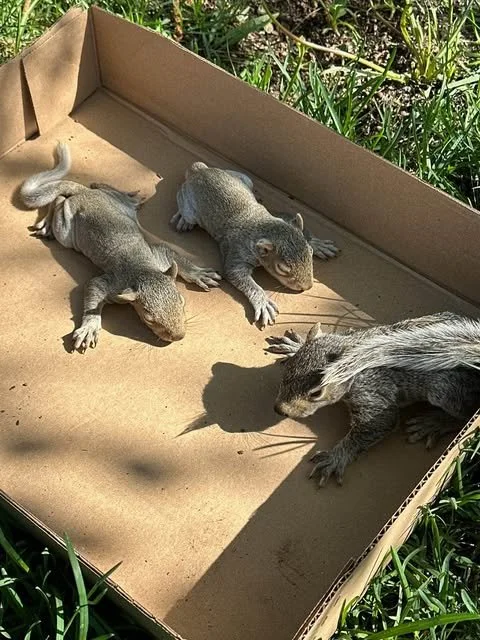
Tree-dwelling squirrels sometimes tumble from their nests before they are old enough to be out of them. There are also times when mother squirrels are killed, prompting babies to venture out of the nest, hungry and thirsty (and very vulnerable), looking for her. They might approach humans, not knowing any better.
If you’ve found one or more healthy, uninjured baby squirrels, try to locate the nest in a tree near where you found them and following the reuniting instructions below. Reuniting flying squirrels can be riskier, depending on the age of the babies. In all cases, call us for guidance.
If you find a nest of leaves in your car engine, do not move the nest until you’ve checked for babies. and then call us.
(If you are certain the mother has been killed, contact us right away.)
Reuniting baby squirrels
Put the baby in a shoebox-sized box or basket deep enough that the baby can’t escape, but shallow enough that mom can lift the baby over the side.
Line the box or basket with fleece or soft cloth (not a towel, which their nails can get stuck in), and keep them warm and dry. A baby squirrel whose eyes are still closed will need an additional heat source in the container (rice sock, bottle of hot water, hand warmers or a a no auto-shut-off heating pad set to low), since they can’t regulate their body temperature. There should be at least one layer of fabric between the baby and the heat source to prevent burns. Refresh heat as needed. It is OK to touch the babies to make sure they are warm. They must be kept warm or their mother may not take them back.
Attach the container to the tree you believe is closest to their nest with a rope, nails or bungee cord. Keep the babies uncovered so mom can see, smell and hear them. Squirrels do not like coming to the ground to investigate because it can be unsafe for them, and the box should* be off the ground to protect against predators and parasites. (*If the baby squirrels are old enough that they could potentially crawl out of the box or basket and fall, keep the container lower to the ground, but watch it very carefully.)
If it’s raining (but not downpouring), cover three quarters of the container with a piece of flat cardboard or plastic. In stormy weather, they shouldn’t be left outside.
Keep people and pets away from the area, since the mother will be much more likely to return if the area is free from people and animals. Leave a note if it’s in an area with a lot of passersby.
Their cries should attract their mother if they are vocal, but you can also try this: Play a loop of “baby squirrel distress calls” from YouTube on your cell phone (your phone or Bluetooth speaker should be in or very close to the container). As soon as you press Play, leave the immediate area. Mom may come running, and if you’re still there, she may turn around.
Hopefully, she will retrieve them one at a time and bring them back to her original nest or her back-up nest (squirrels typically build more than one nest, or drey).
Do not leave them out after dusk. Bring them inside, keep them warm and dry in a box in a dark, quiet location, do not feed them, and try again early the next morning.
If mom has not returned after two tries, they should be seen by a wildlife rehabilitator. Call us for guidance.
I’ve found a nest of baby squirrels in my car engine
As temperatures start to warm, squirrels are searching for safe places to raise their babies — and they may think your car engine is a perfect spot! Do not remove the nest until you’ve checked for babies.
To prevent squirrels from nesting in your car:
Pop your hood regularly to check for signs of nesting.
Use deterrents like peppermint oil, mothballs or cayenne pepper.
Avoid parking near trees, when possible.
If storing a vehicle, use motion-activated lights or ultrasonic repellents.
If you find a nest with babies, contact Wisconsin WildCare. Our squirrel experts can guide you on the best way to safely handle the situation and reunite the family.
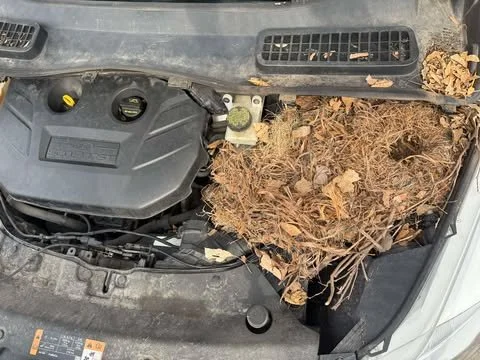
5-6 week-old gray squirrels
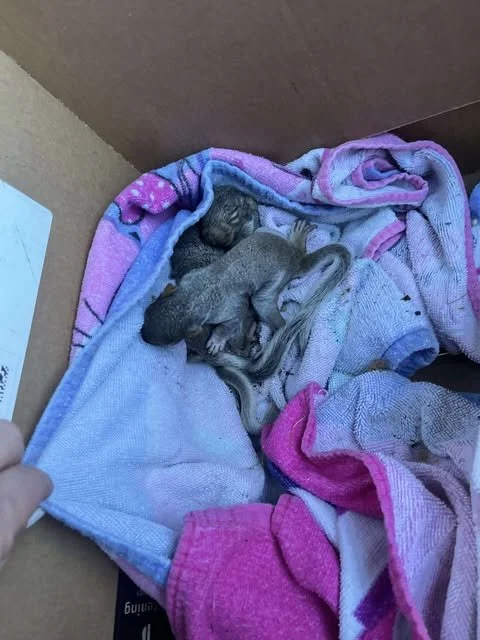
2-3 week-old gray squirrels
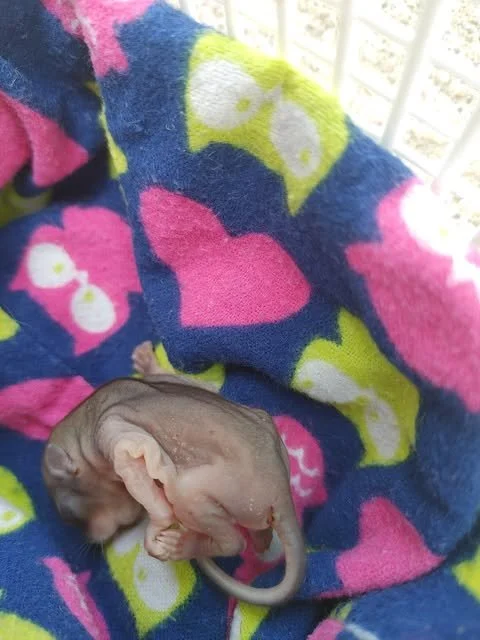
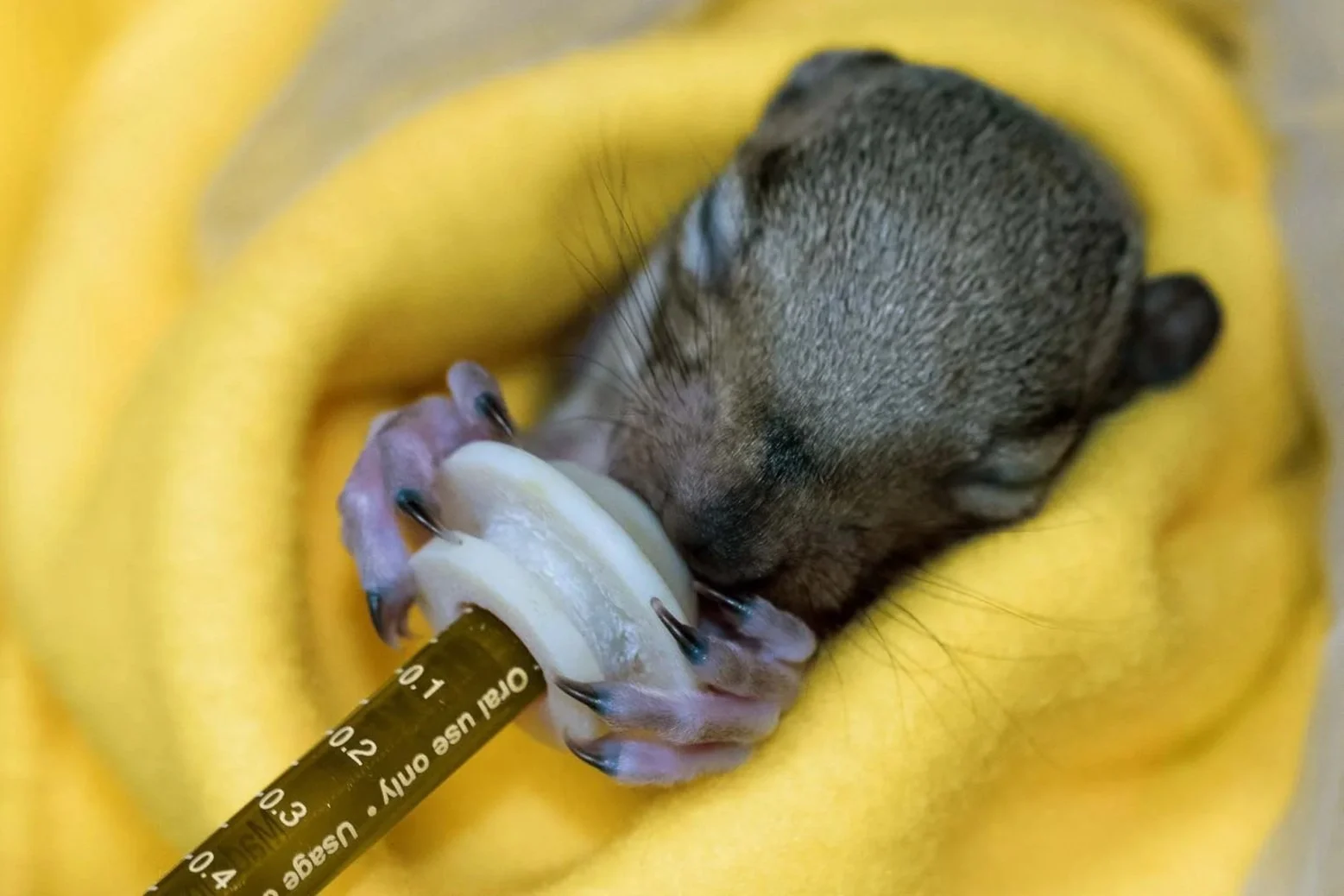
Approximately 1-week old gray squirrel
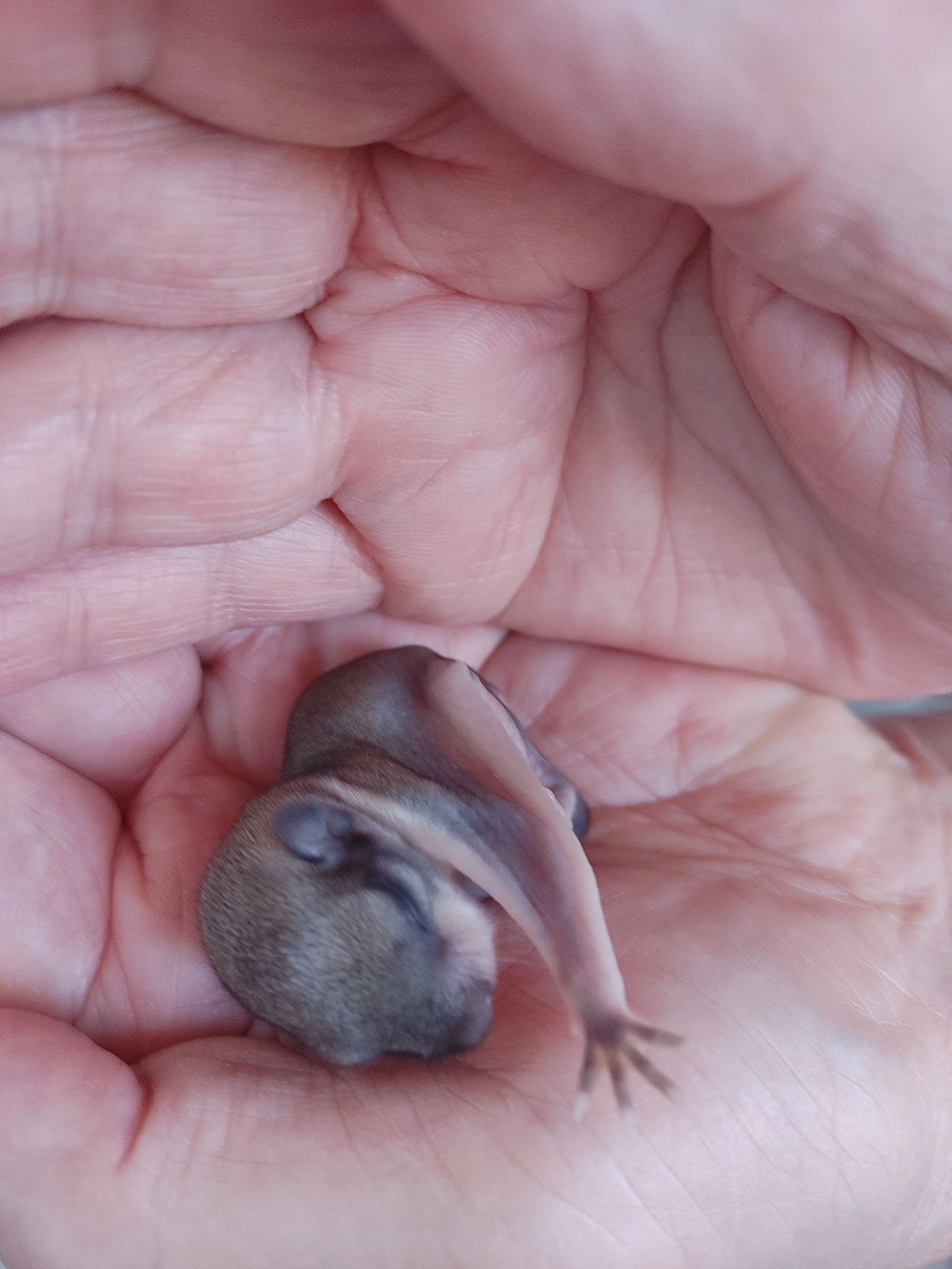
Approximately 1-week-old southern flying squirrel
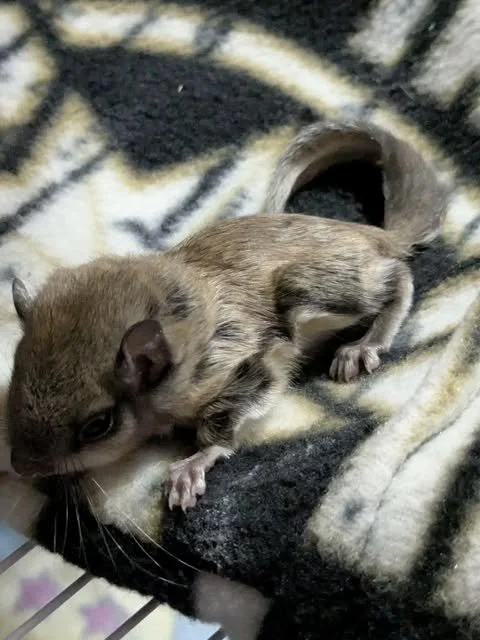
2-3 weekold southern flying squirrel
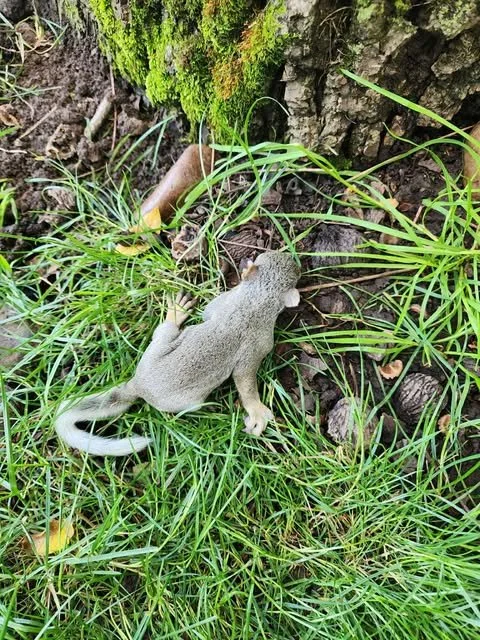
Baby gray squirrel fallen from nest
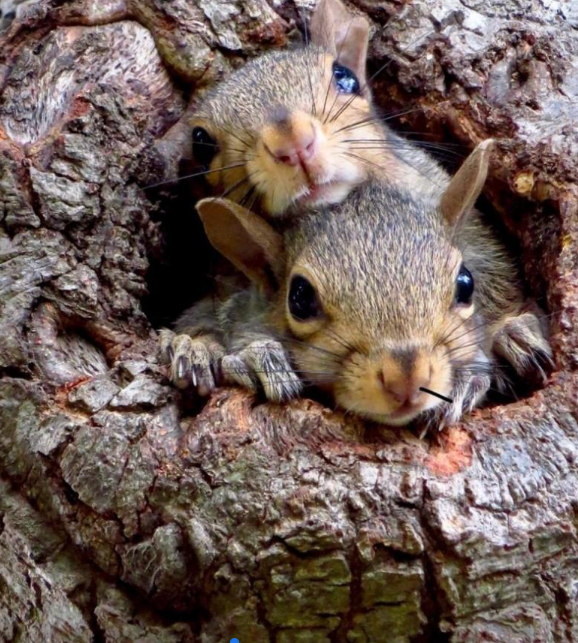
Juvenile gray squirrels peeking out of tree nesting cavity
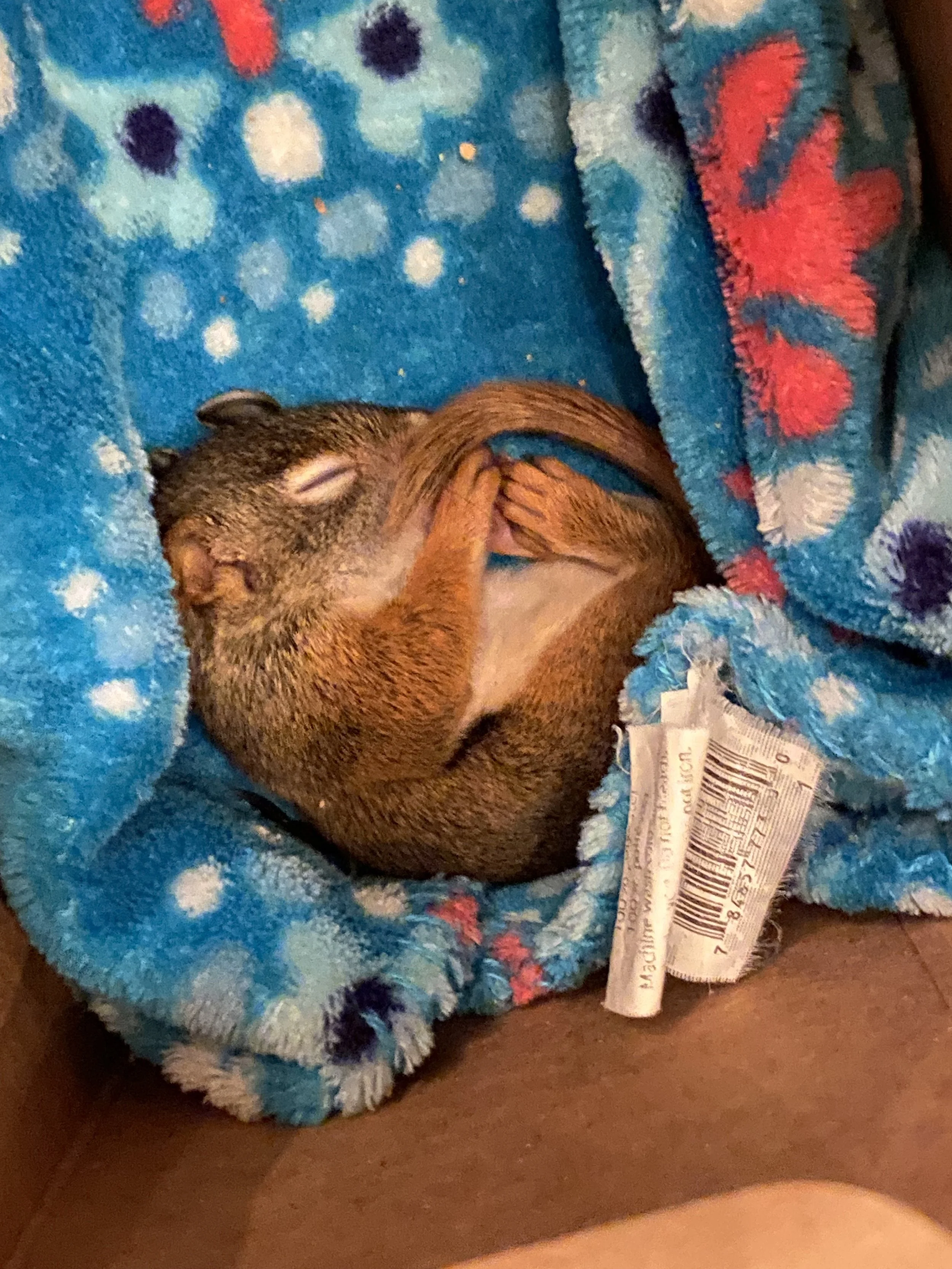
Orphaned infant red (pine) squirrel
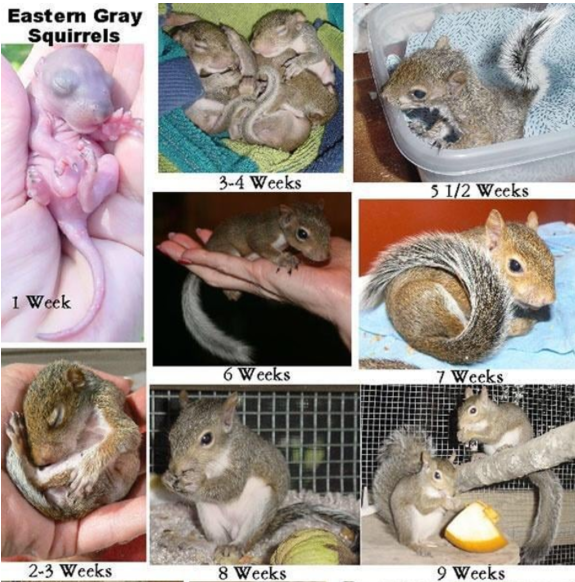
Gray squirrel developmental stages
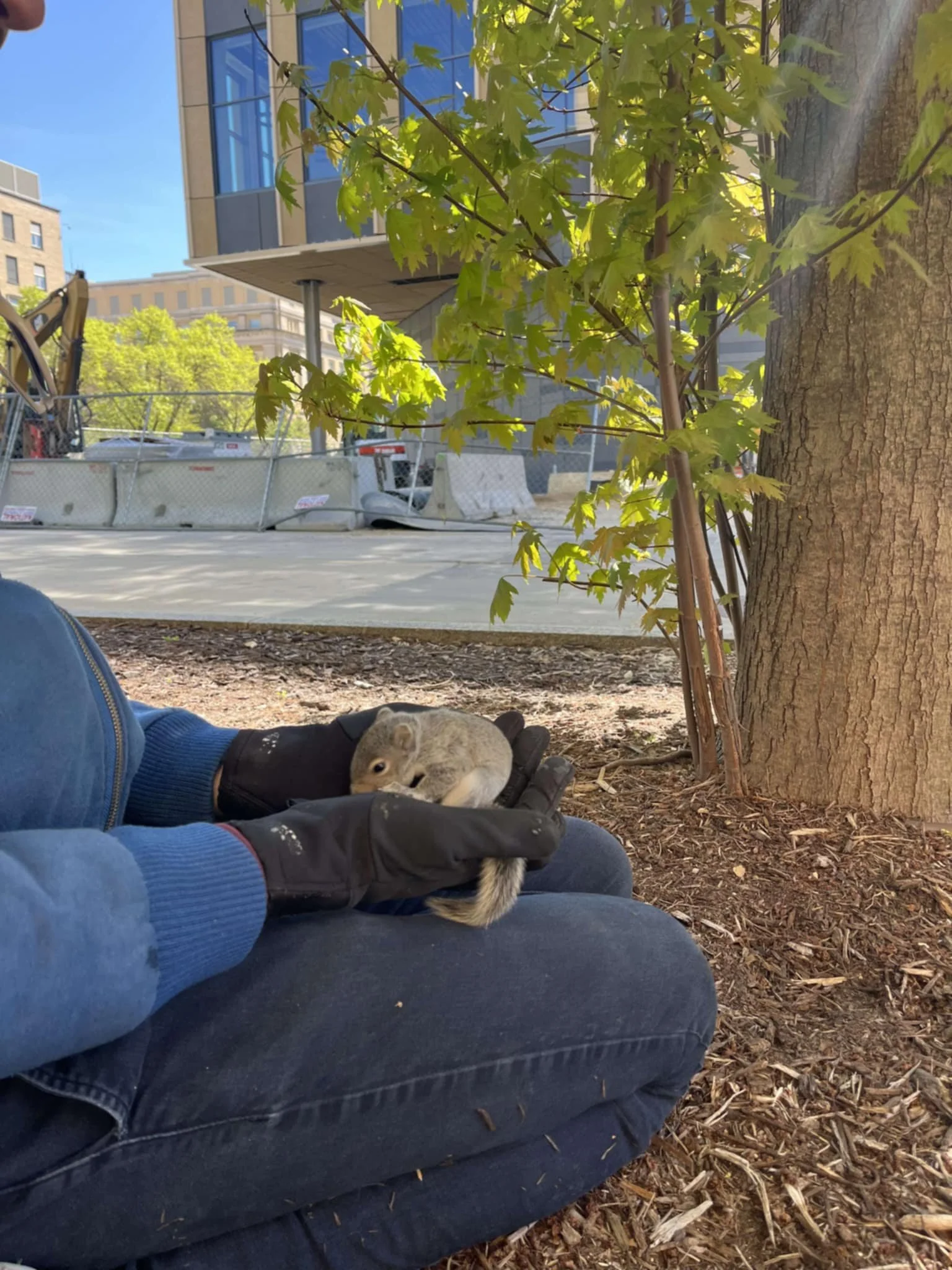
Finder with orphaned gray squirrel, attempting reunite
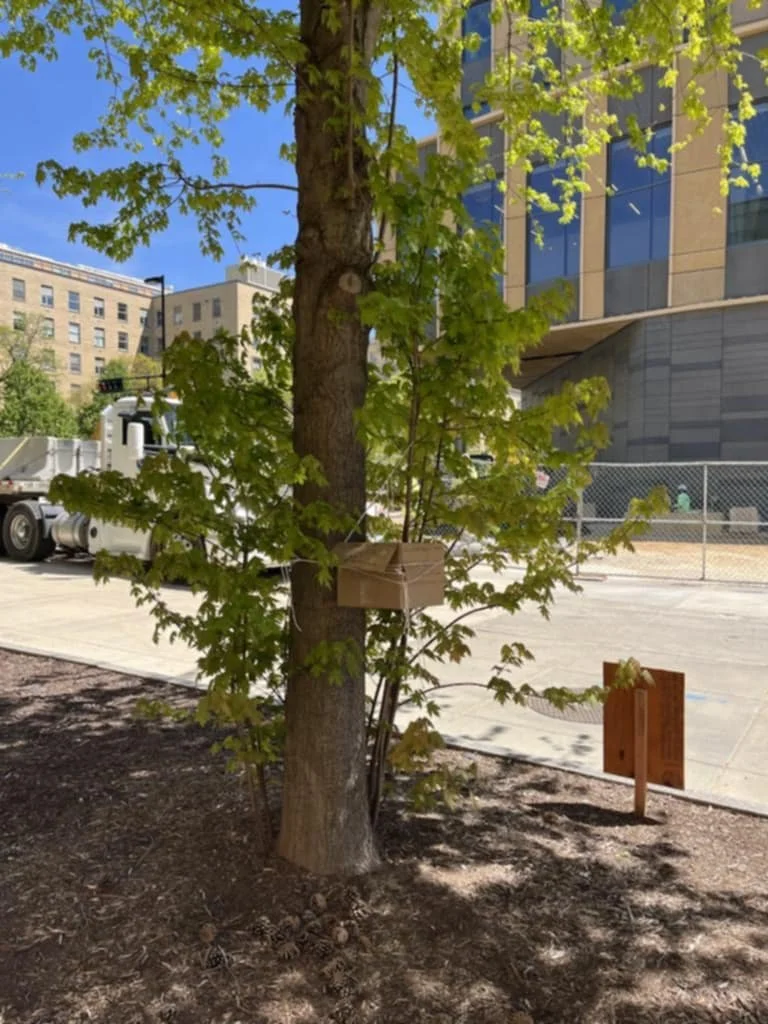
Box (with baby gray squirrel inside), awaiting mother to collect
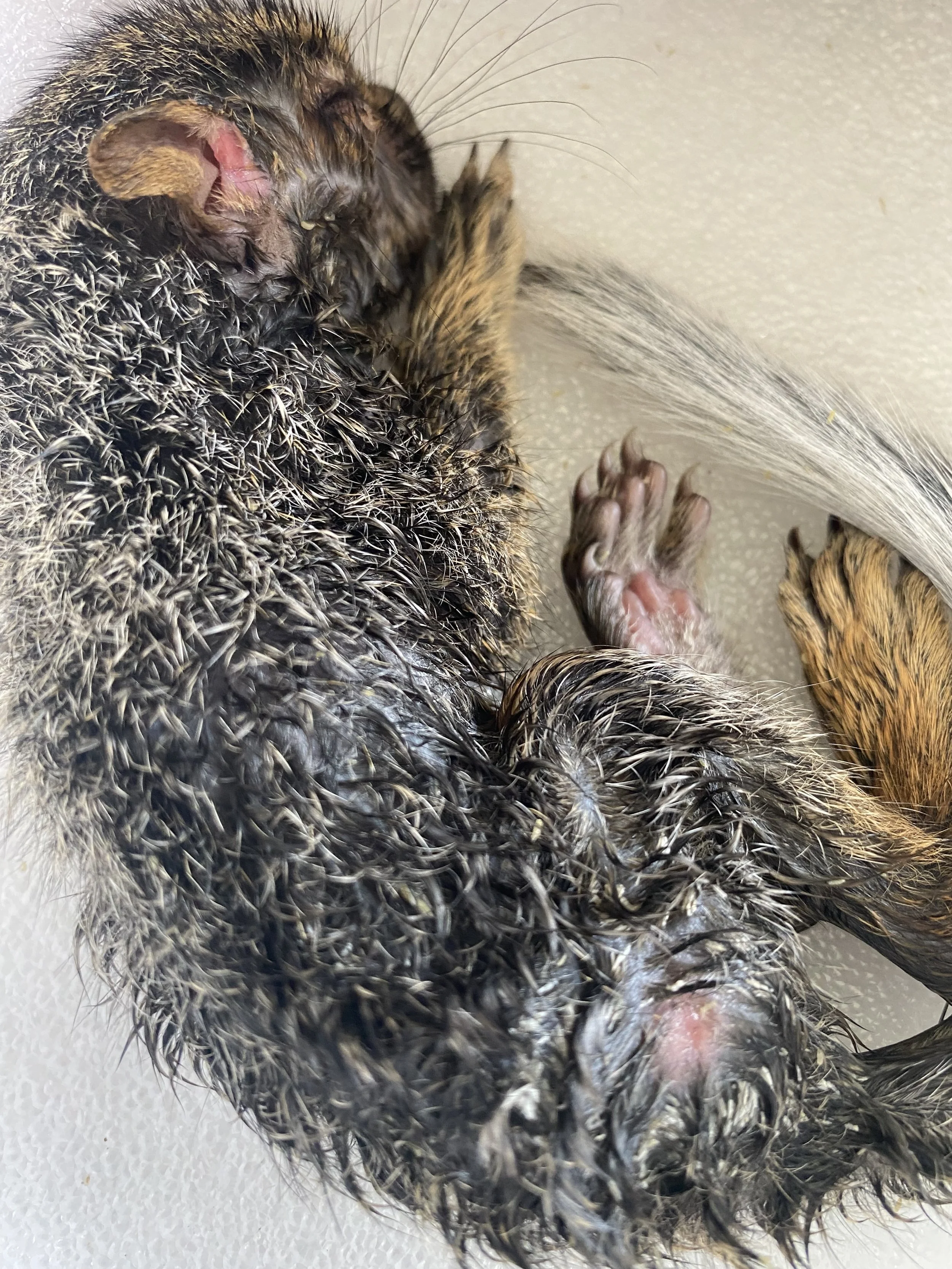
Orphaned, dehydrated infant gray squirrel with flystrike (eggs that will hatch into maggots)