
Help Deer Mice and Voles
I’ve found a baby deer mouse or vole. What should I do?
Most of the baby deer mice and meadow voles brought to us by the public have been displaced by the movement of vehicles in which they were nesting (trailers, boats, cars, etc) or human activity (like lawn mowing). Ideally, these babies can be renested so their mother can raise them, which is their best chance at survival. When this is not possible, we may admit them into rehabilitation.
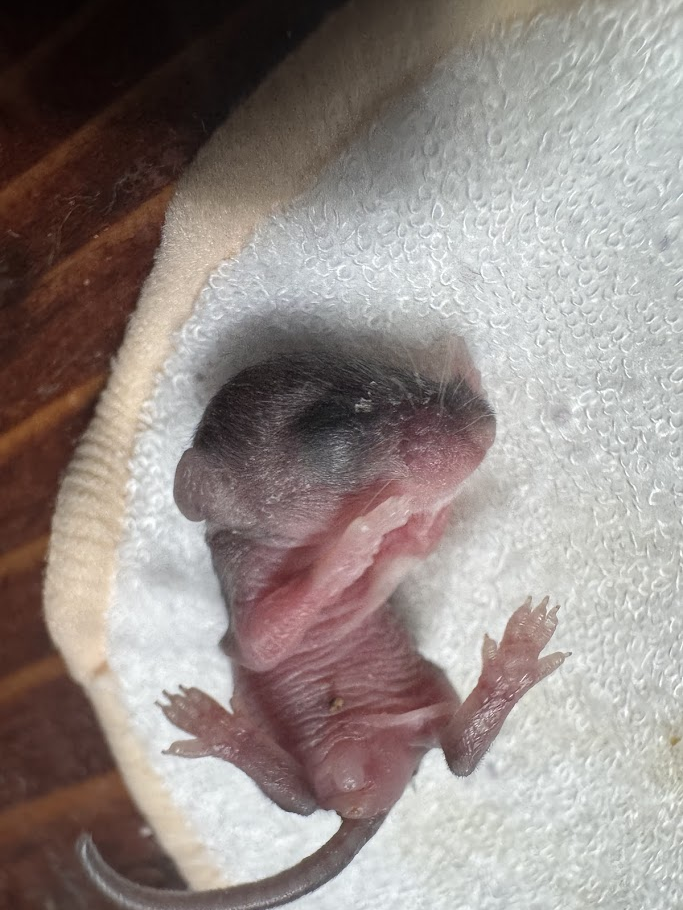
Infant deer mouse on 3-inch diameter pad (for scale). Deer mice skin can appear almost transcucent until they develop white belly fur.
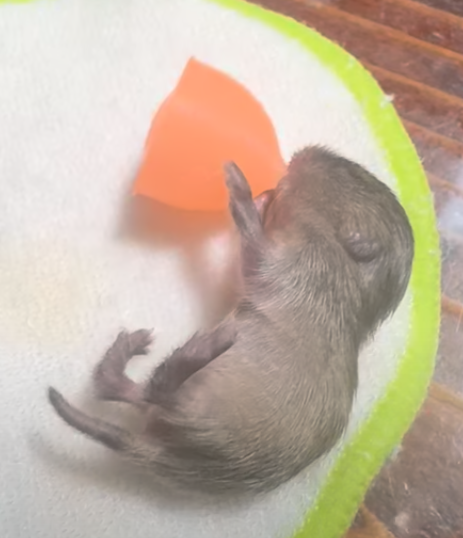
Infant meadow vole suckling on synthetic nipple, on 3-inch diameter pad (for scale). Notice the dark tummy skin, single-color tail fur and tiny furred ears.
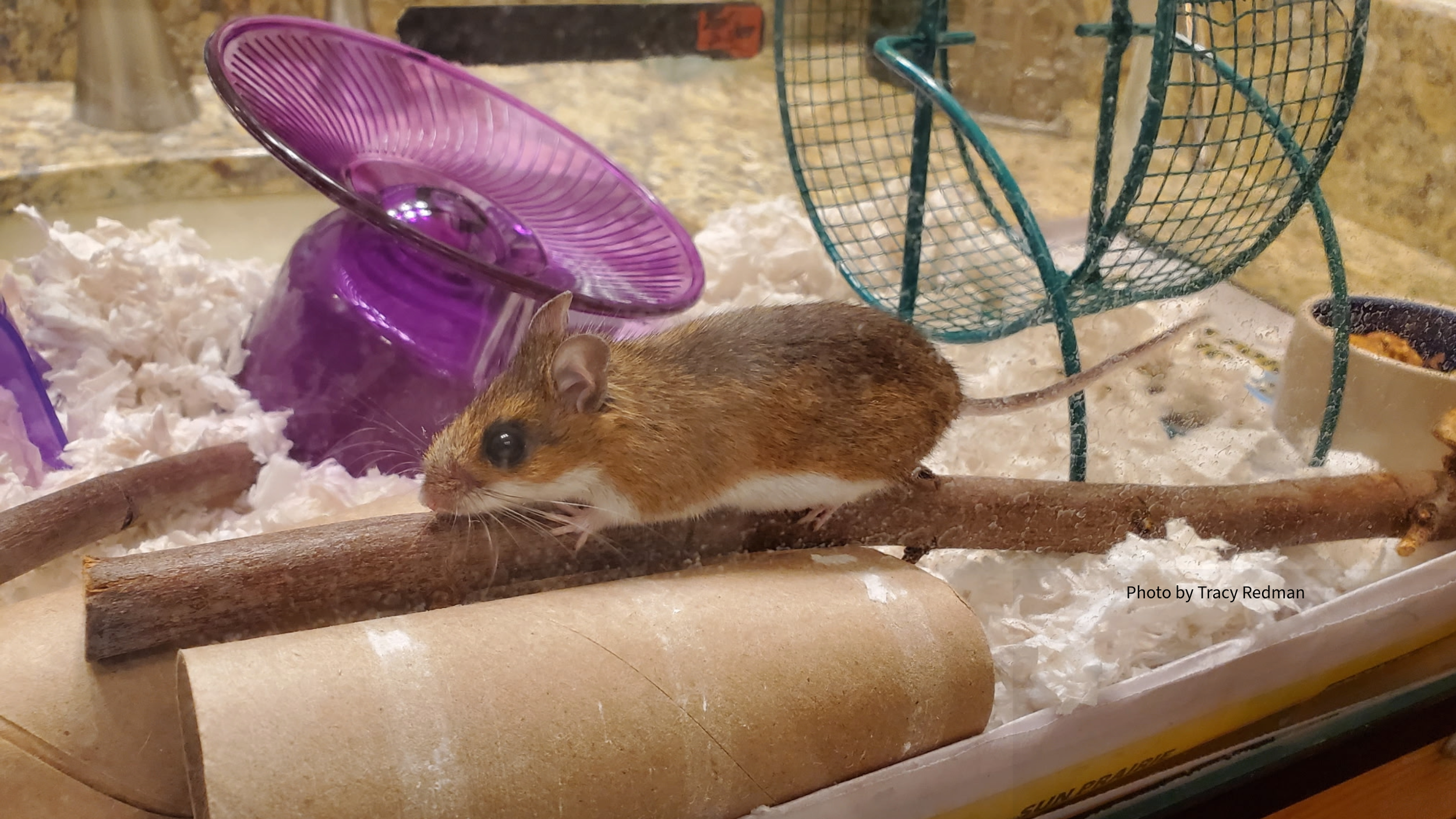
Deer mouse exploring (courtesy of Tracy Redman, Wisconsin DNR Advanced Wildlife Rehabilitation License holder)
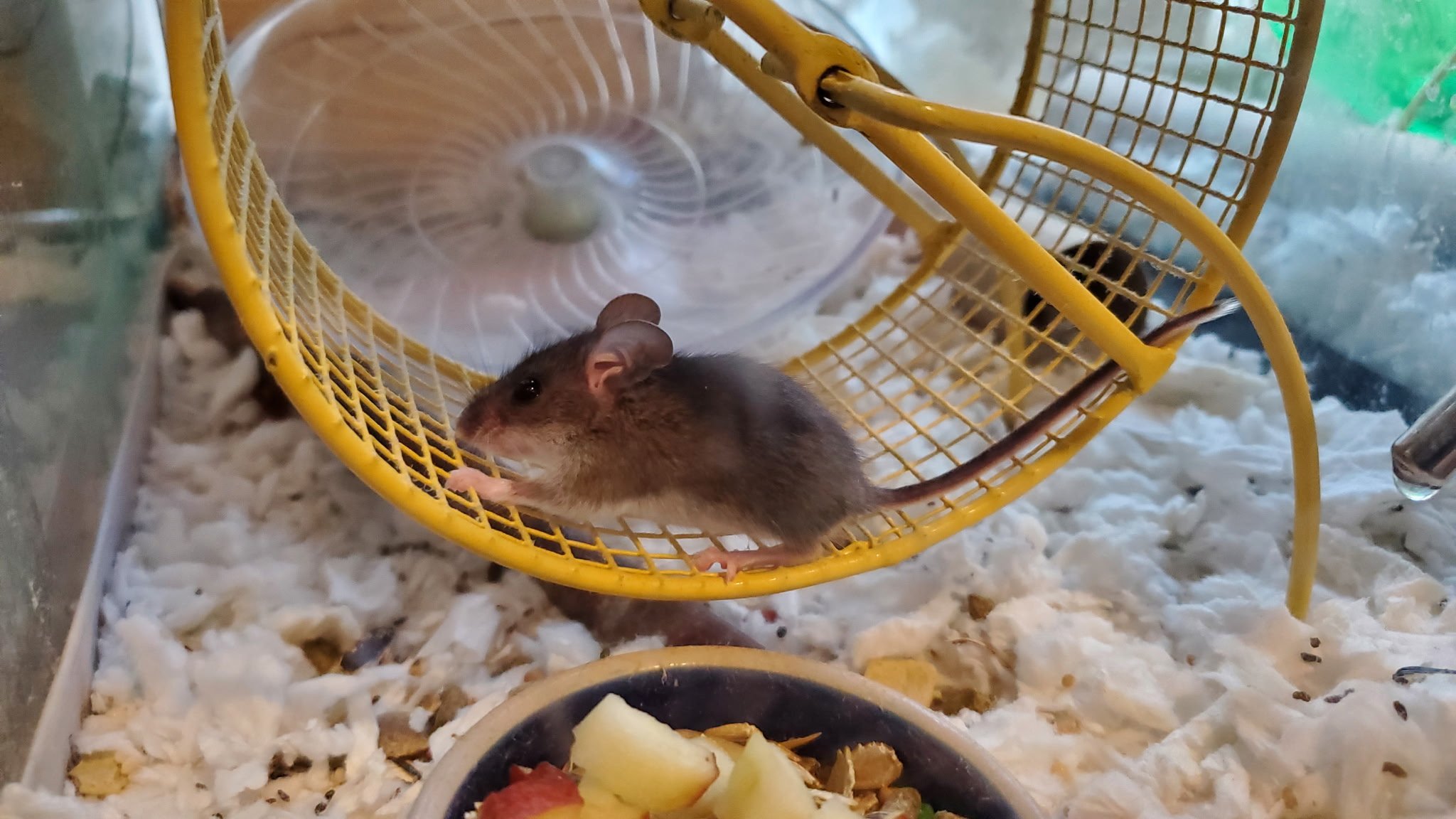
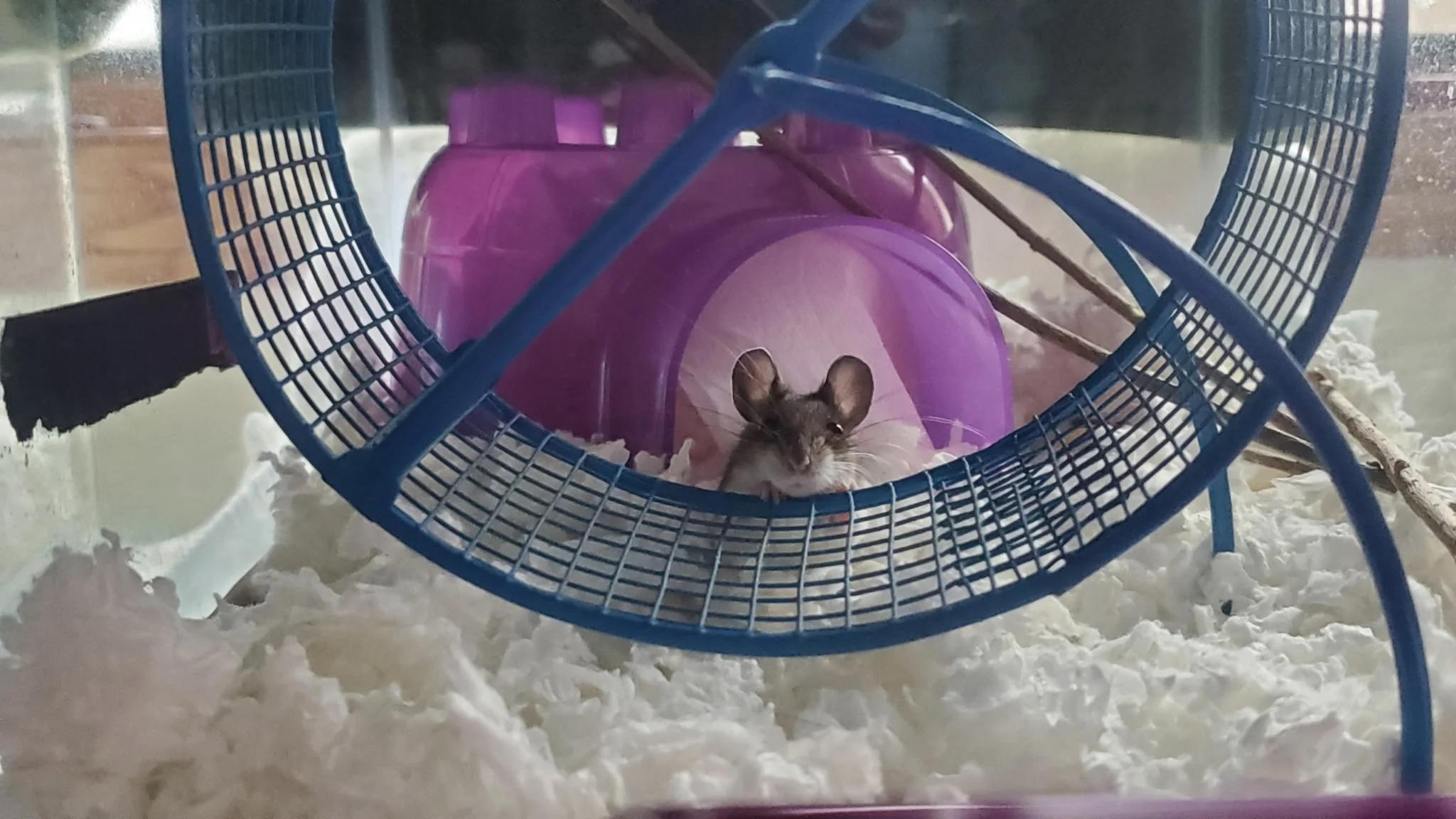
Deer mouse exercizing on a wheel (courtesy of Tracy Redman, Wisconsin DNR Advanced Wildlife Rehabilitation License holder)
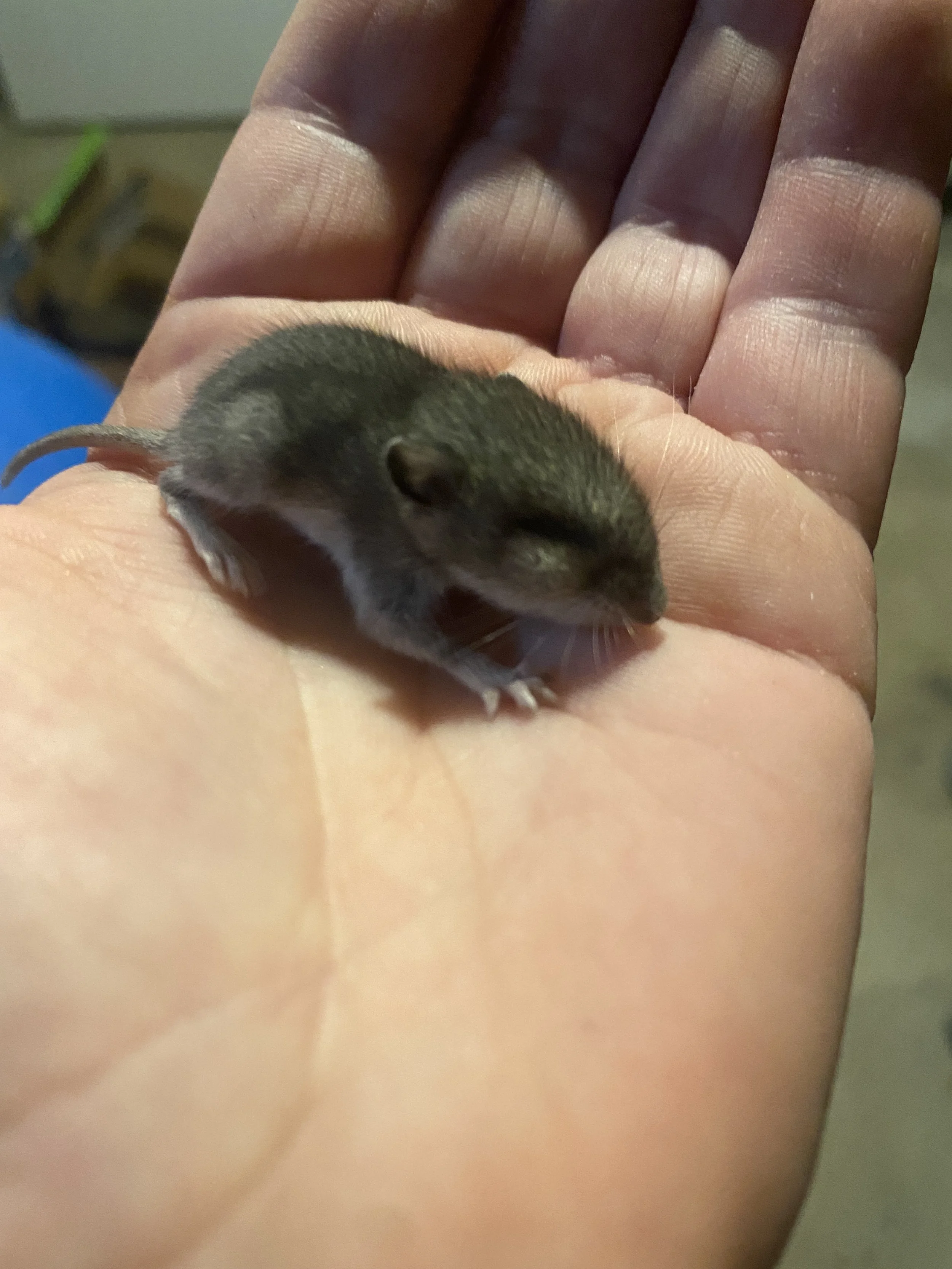
Baby deer mouse, possibly with hydrocephalus, caught by a cat
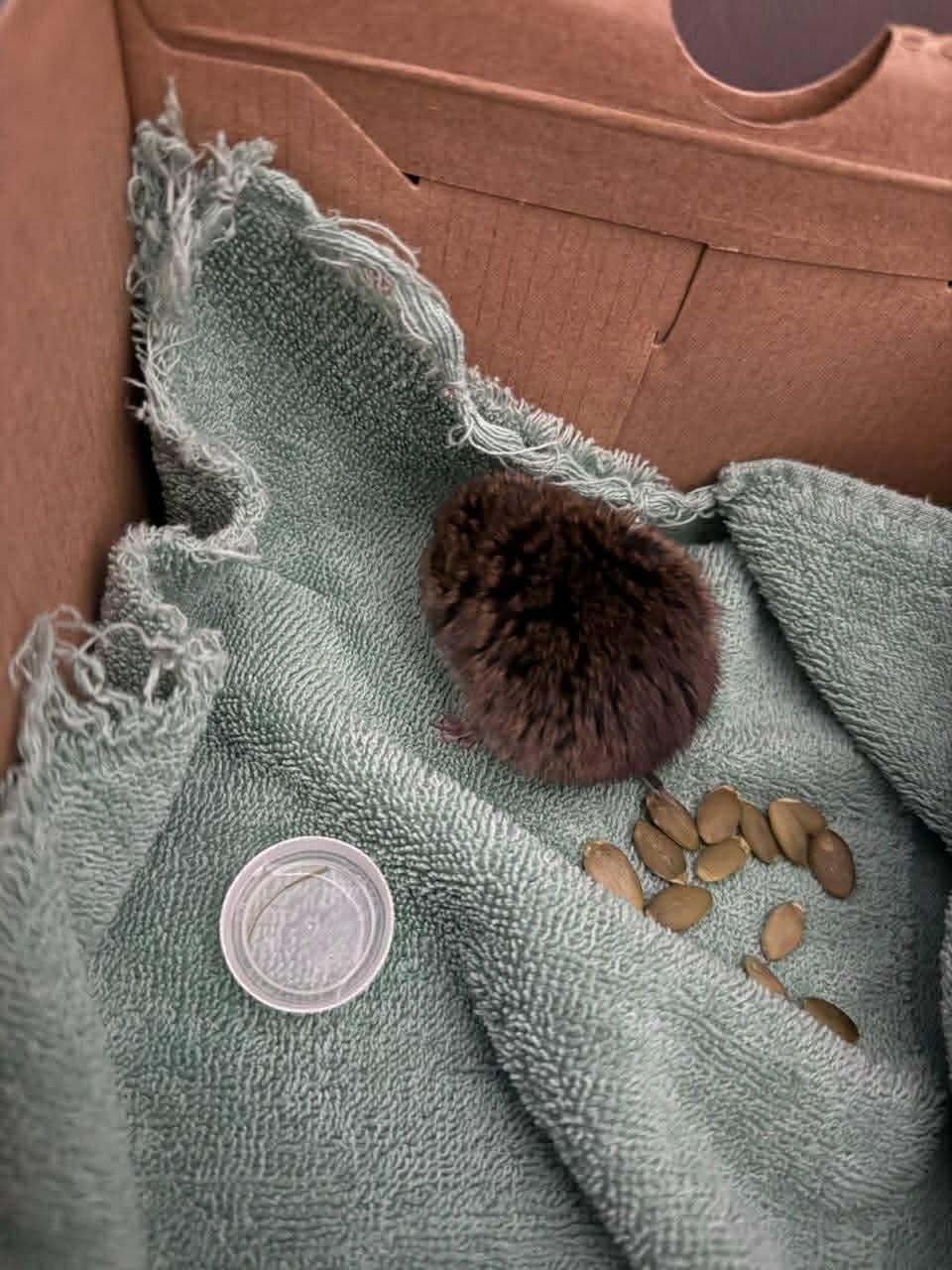
A meadow vole found in on a freezing January day
About Deer Mice
Deer mice generally breed from April to August, but if conditions allow, they can breed throughout the year. Mothers may give birth to five litters a year, typically with four to six babies per litter.
About Meadow Voles
Voles can mate year-round, and mothers typically give birth four to eight times a year to litters of about four to six young. They live both in underground burrows and above ground – in the winter they travel through tunnels beneath the snow to different nesting and feeding areas. The life span of a vole is woefully short, with most not surviving their first year.